
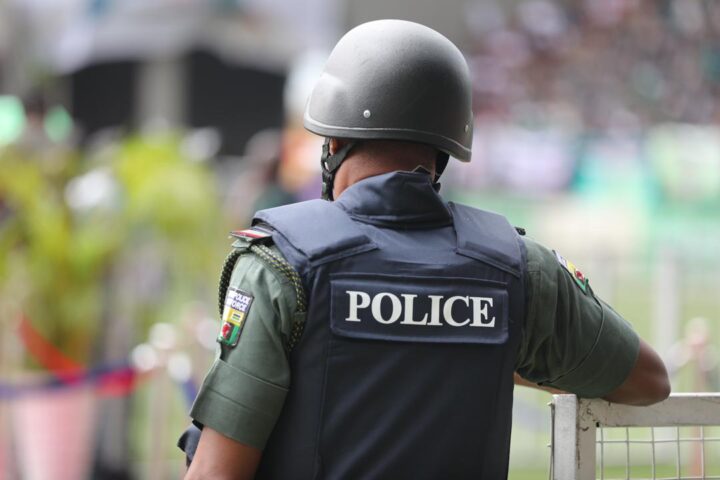
The Presidential Safe School Initiative has been formally launched in Imo State, bringing security agencies, education authorities, non-governmental organisations and school representatives together in a renewed effort to strengthen the protection of students, teachers and school facilities.
The launch took place on Monday, September 28, 2026, at Christian International School in Owerri.
The programme brings together the Nigeria Police Force, Nigeria Security and Civil Defence Corps (NSCDC), education authorities and inter-agency organisations as stakeholders seek to improve security around schools and strengthen cooperation between educational institutions and security agencies.
A Multi-Agency Approach to School Safety
The launch reflects a broader approach to school security in which responsibility is shared between security agencies, schools, government authorities and surrounding communities.
Representing the Assistant Commissioner of Police in charge of Operations, CSP Amanchukwu Frank said security was a collective responsibility and called on both public and private schools to cooperate with security agencies.
The police also reaffirmed their commitment to protecting educational institutions and reducing security threats around schools.
The initiative is expected to strengthen communication between schools and security agencies while improving the ability to identify and respond to security concerns.
School safety is not the responsibility of one institution alone. It requires cooperation between schools, security agencies, government and the communities where educational institutions operate.
NSCDC Pledges Collaboration
The Nigeria Security and Civil Defence Corps also pledged to work with other security agencies to implement the programme across Imo State.
Assistant Commandant Obinna Anyaberechi said the NSCDC would collaborate with relevant stakeholders as the initiative expands.
The involvement of the NSCDC adds another layer to the security structure around schools, particularly in areas where schools require closer coordination with government security and civil protection agencies.
CCTV and Other Security Measures Under Review
Security infrastructure is also expected to form part of the programme.
Hillary Iheanacho, National Convener of Inter-Agency NGOs, said the Safe Schools Committee would inspect security equipment in schools, including closed-circuit television cameras.
The inspection is intended to help stakeholders determine whether existing security infrastructure is functional and adequate for the needs of individual schools.
Measures such as surveillance systems, controlled access, perimeter protection, emergency preparedness and communication with security agencies can form part of a broader school safety framework.
Imo's Safe School Efforts Pre-Date the Latest Launch
Although the September 28 event represents a formal launch of the initiative in Imo, security measures associated with school protection had already been reported in the state.
Earlier reports indicated that police personnel and security equipment had been deployed to schools across Imo.
CCTV cameras were also reported to have been installed in pioneer schools across the state's three senatorial districts, with the systems connected to a central control room.
Security personnel were further reported to have been deployed across the state's 27 local government areas.
However, challenges remain.
Some schools, particularly in rural communities, still face infrastructure limitations, including inadequate perimeter fencing.
The latest launch therefore represents another step towards bringing these different security measures and stakeholders into a more coordinated framework.
Why the Development Matters to FUTO Students
The development is particularly relevant to the Federal University of Technology, Owerri, and communities surrounding the university.
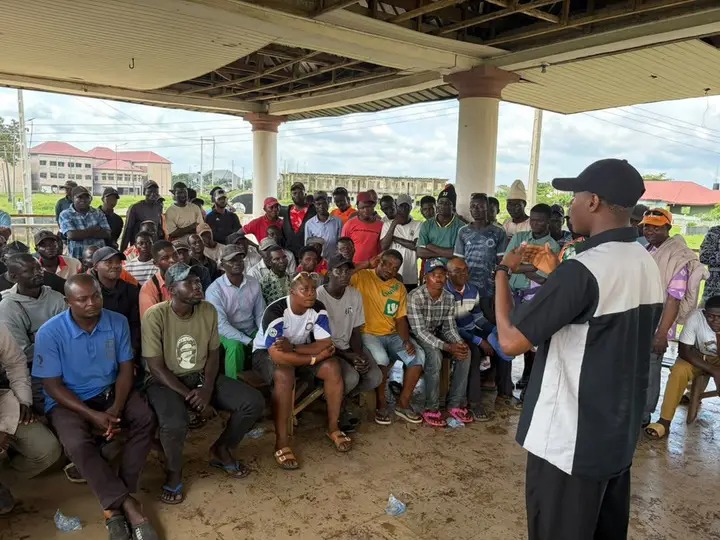
FUTO and the Imo State Police Command have recently engaged over security concerns affecting students and communities around the institution.
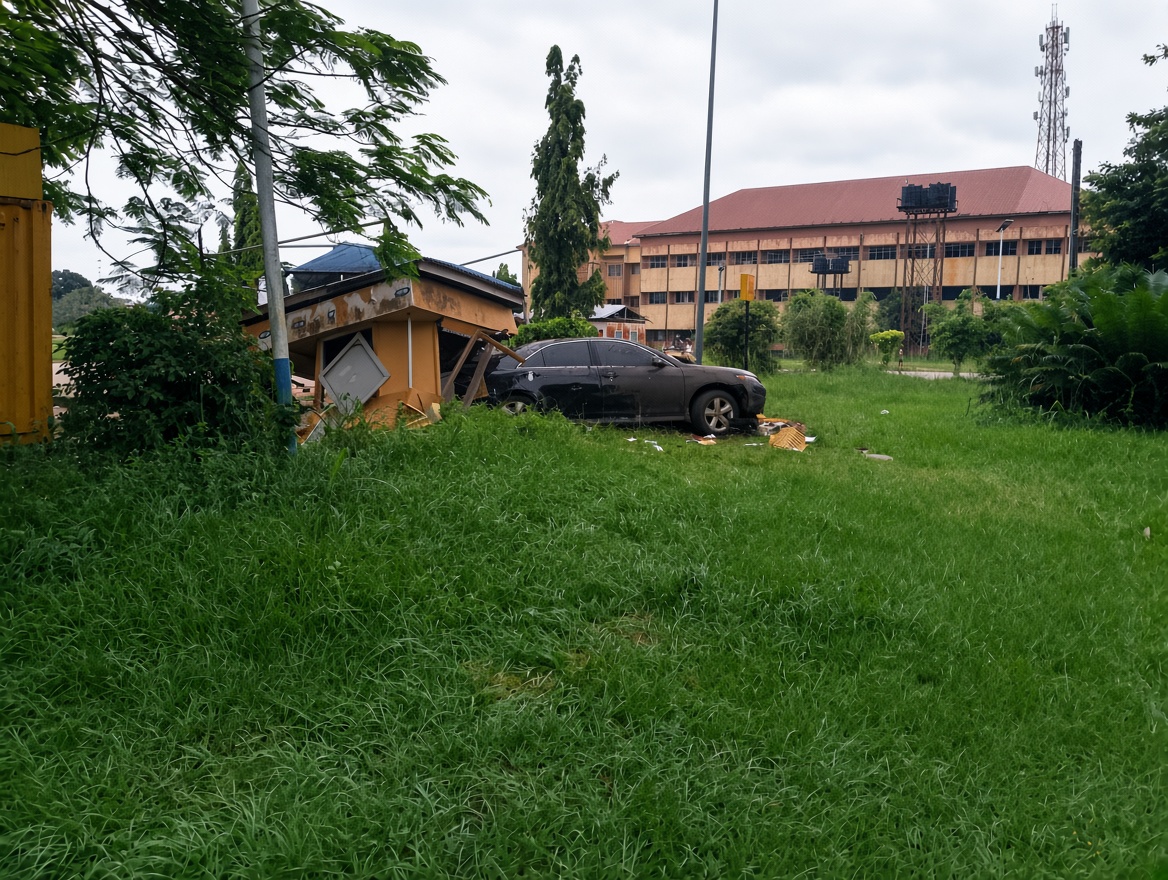
Following the abduction of two FUTO students and the death of another person, FUTO management met with the Imo State Commissioner of Police to discuss security around the university and surrounding communities.
The security discussions covered areas including Ihiagwa, Eziobodo, Obinze and Nekede, where police operations and patrols were subsequently intensified.
The police also indicated that it would continue working with FUTO management and host communities under the Nigeria Police Force Safe School Initiative.
This places the latest state-level launch within a wider security conversation already involving FUTO and its surrounding communities.
Beyond Primary and Secondary Schools
While the Safe School Initiative is commonly associated with primary and secondary education, the principles behind the programme are relevant to educational institutions more broadly.
Universities operate within large communities, with students regularly travelling between campuses, host communities, accommodation areas, transport routes and commercial centres.
For FUTO students, security around the university therefore extends beyond the physical boundaries of the institution.
Cooperation between university management, students, host communities and security agencies can be important in identifying potential threats, improving reporting channels and responding to incidents.
Government and Education Stakeholders Back Programme
The Imo State Government has also expressed support for the initiative.
Chief James Nwanyadimo, Special Adviser to the Governor on Primary and Secondary Education, reaffirmed the state's commitment to school safety and the welfare of students.
The event also brought together representatives of the education sector and other stakeholders involved in the protection of schools.
The participation of education officials alongside security agencies highlights the importance of combining security measures with the day-to-day needs of schools.
What the Initiative Could Mean for Schools
For schools, stronger participation in the Safe School Initiative could mean closer communication with security agencies and greater attention to existing security arrangements.
This could include reviewing access points, identifying vulnerable areas, maintaining surveillance equipment, improving emergency procedures and establishing clearer channels for reporting security concerns.
For students and teachers, the objective is to create an environment where learning can continue without avoidable security disruptions.
However, the effectiveness of such measures will ultimately depend on implementation, regular monitoring and cooperation between the different stakeholders involved.
A Wider Security Conversation in Imo
The launch comes at a time when security around educational institutions has received renewed attention across Imo State.
For FUTO and its surrounding communities, the development is significant because security concerns do not stop at the university gates.
Students live, study, travel and conduct daily activities across neighbouring communities. This makes cooperation between educational institutions, residents and security agencies an important part of the wider security environment.
The recent engagement between FUTO management and the police, together with the state's renewed Safe School efforts, points to a broader focus on strengthening security around educational spaces.
What Students Should Know
Students should remain aware of their surroundings and follow official security advisories issued by their institutions and relevant authorities.
Any credible security concern should be reported through appropriate channels rather than circulated without verification on social media.
Students should also avoid sharing unverified information that could cause unnecessary panic or interfere with security operations.
For FUTO students, staying informed through official university communications and trusted news platforms remains important as security measures continue to develop around the institution and its host communities.
Looking Ahead
The launch of the Safe School Initiative in Imo marks another stage in the state's efforts to improve the security of educational institutions.
The coming months will show how effectively the various stakeholders translate the commitments announced at the launch into practical measures across schools and communities.
For FUTO students and the wider education community in Imo, the focus will remain on whether security infrastructure, patrols, reporting systems and cooperation between institutions and security agencies can be sustained.
School safety ultimately depends not only on the presence of security personnel, but also on functioning infrastructure, effective communication, responsible reporting and cooperation between the institutions and communities they serve.
FUTO Central will continue to follow developments affecting the safety, education and welfare of students across Imo State.

Comments 0
Join the conversation with verified FUTO students.
Verify your JAMB registration number to comment, like and reply.
Loading discussion...