
The Federal Government has announced that Nigerian students will begin receiving 100MB of free data daily from October 1, 2026, as part of a new initiative aimed at reducing the cost of accessing online educational resources.
The programme, tagged the Initiative for Zero-Rated Access to Educational Platforms and Content in Nigeria, is being implemented by the Nigerian Communications Commission (NCC) in collaboration with the Federal Ministry of Education and telecommunications operators under the Association of Licensed Telecommunications Operators of Nigeria (ALTON).
What Was Announced
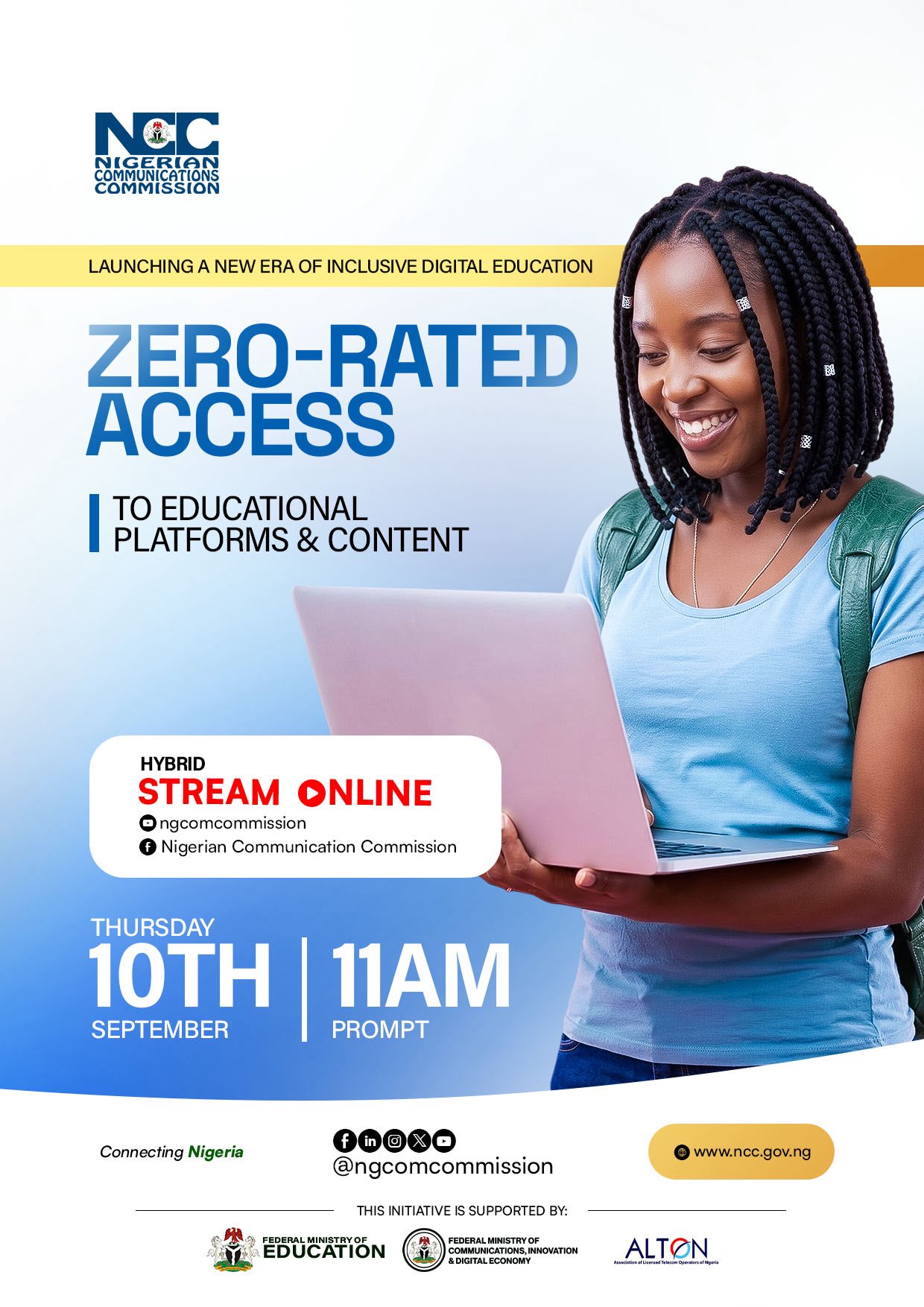
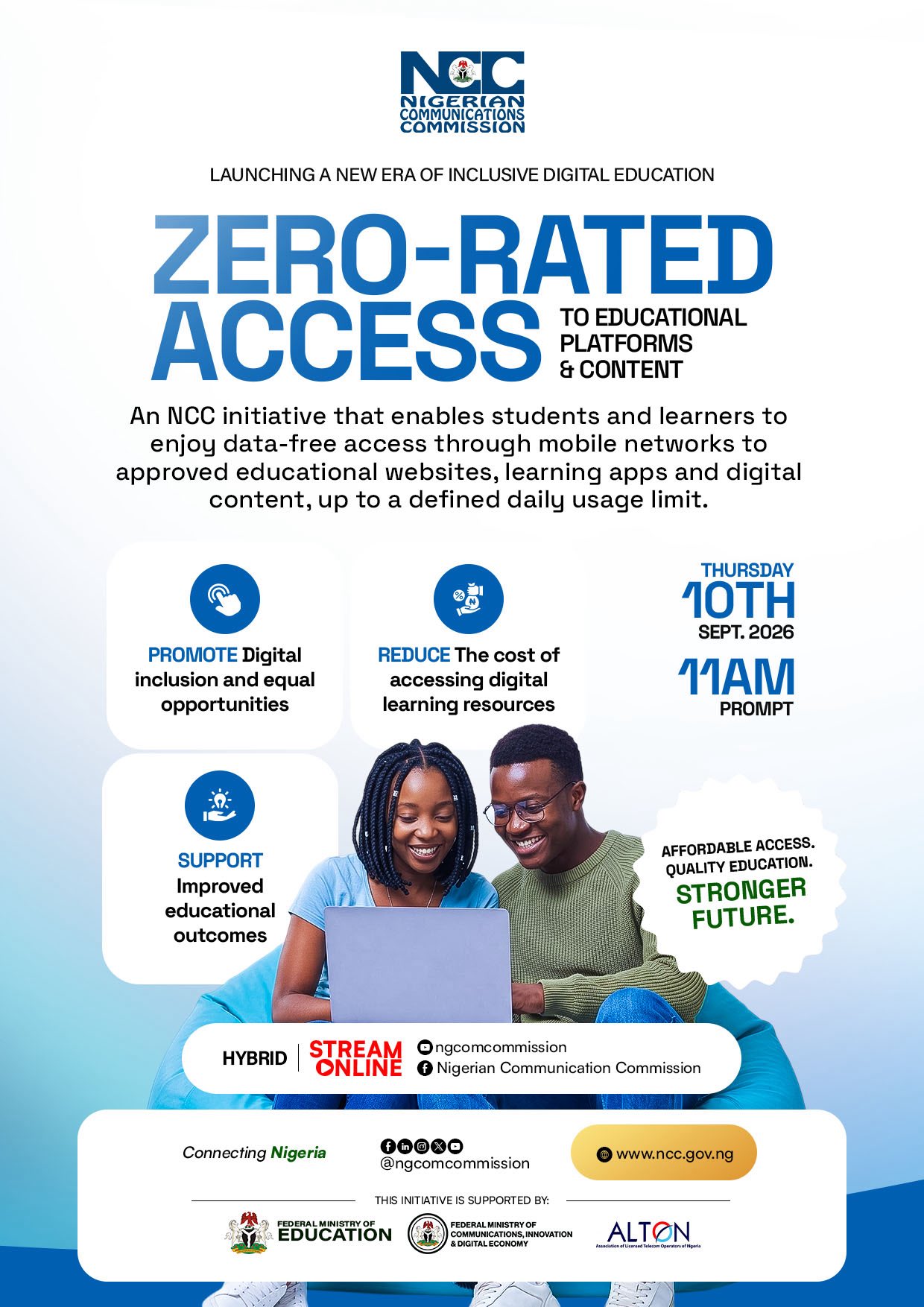
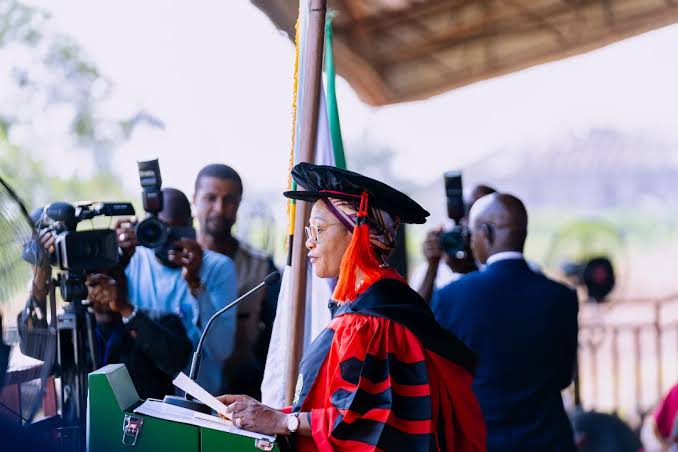
The Minister of Education, Dr Tunji Alausa, announced the commencement date on Thursday in Abuja at the launch of the initiative.
"Let me let out the secret. This will be made available to Nigerian students from October 1st, 2026," Alausa said, while acknowledging the support of telecom operators in making the programme possible.
He disclosed that more than 240,000 schools had been geo-mapped and geolocated across the country, while the government was also digitising the Annual School Census to gather data on enrolment and other education planning metrics.
Who Qualifies
The scheme will initially cover students in public senior secondary schools and public tertiary institutions, with plans to extend it to other categories of learners in the future. Estimates put the initial pool of beneficiaries at around 5 million students.
How It Will Work
Participating mobile network operators will provide eligible students with a daily 100MB data allowance usable on government-approved educational websites and digital learning platforms, without the usual data charges applying.
Importantly, the free allowance will not provide unrestricted internet access — instead, it will apply only to platforms and websites placed on the programme's approved allowlist.
NCC Director of Policy, Competition and Economic Analysis, Ayuba Shuaibu, said eligible platforms could include learning management systems, digital libraries, educational repositories, teacher-development platforms and technical and vocational training resources.

Shuaibu explained that the framework adopts an "operator's consult model" for the initial rollout, under which participating network operators will provide the daily zero-rated allowance for use on approved sites.
MTN Nigeria, Airtel Nigeria and Globacom are the operators supporting the rollout.
Why the Government Is Doing This
Alausa framed the initiative as a direct response to data costs acting as a barrier to digital learning, particularly for students from low-income households.
"Our ambition must be that, ultimately, no Nigerian learner should be denied access to quality educational content simply because he or she cannot afford data," the minister said.
Another official added that the initiative was designed to ensure no learner is denied educational content because of location or household income.
What Students Should Know
- The free data applies only to approved educational platforms — not social media, entertainment or general browsing.
- Rollout begins October 1, 2026, initially for public senior secondary and tertiary students.
- The full list of approved websites and platforms, along with details on how students will be identified or onboarded, is expected to be released by the NCC and Ministry of Education closer to the start date.
- No public registration portal has been announced yet.
Broader Context
The initiative ties into wider federal education reforms, including the rollout of the Learner's Identification Number (LIN) to track students from primary to tertiary level, and the digitisation of Nigeria's education data systems.
Government officials also indicated that measures to regulate internet access for children under 16 are being developed separately, with security agencies expected to announce further parameters in the coming weeks.
Further operational details, including the final list of approved educational platforms, are expected from the NCC and Federal Ministry of Education ahead of the October 1 launch.

Comments 0
Join the conversation with verified FUTO students.
Verify your JAMB registration number to comment, like and reply.
Loading discussion...